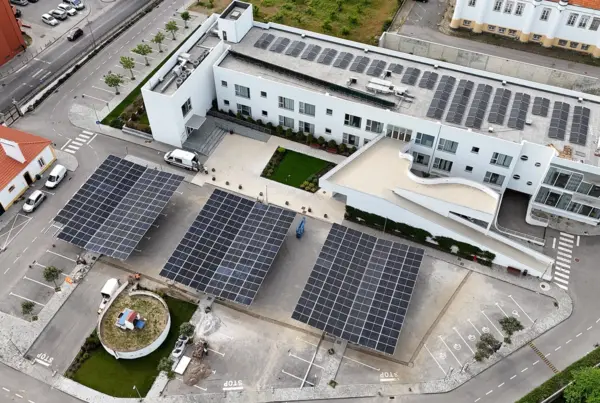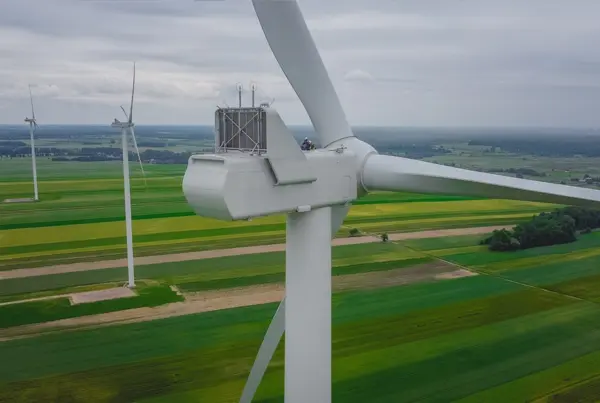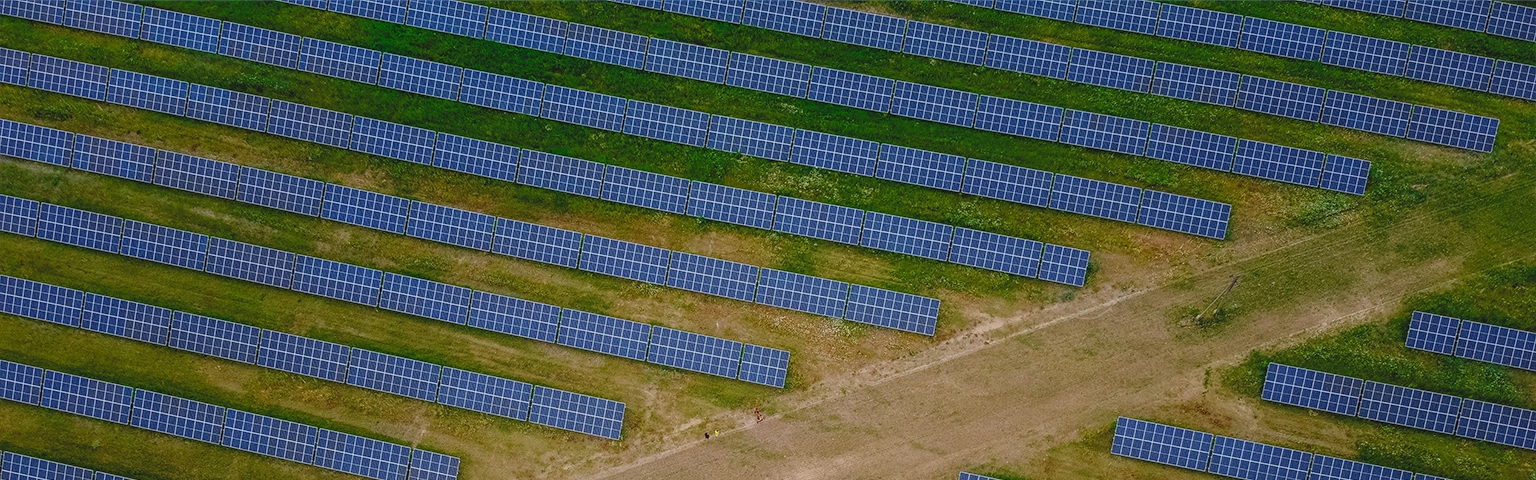
A responsible renewable project begins long before construction.
Before the first solar panel is installed, the first turbine is in place, or a battery storage system starts operating, many of the decisions that will shape a project have already been made.
Where should we build? What environmental and biodiversity sensitivities need to be considered? How can the project respond to local conditions and community expectations? These are practical questions our Utility-Scale teams address every day, and an important part of what it means to develop renewable energy responsibly.
From site selection to construction and operations, sustainability is considered throughout the project lifecycle, shaping how we manage environmental and climate risks, engage with communities, protect people, and strengthen the long-term resilience of our assets.
It starts with choosing the right place.
Understanding the land and communities around a potential project is an important part of responsible development. Early assessments help identify environmental and biodiversity sensitivities, local characteristics, and potential impacts, so they can be considered from the start. Engaging with local stakeholders also helps us better understand the context in which each project will operate.
From planning to construction.
As the project takes shape, these considerations continue to inform its design and construction. This can mean adapting layouts to environmental constraints, protecting sensitive areas or planning activities to reduce impacts. At the same time, clear safety requirements, training and on-site controls help protect everyone involved in bringing the project to life.
And it continues once the project is operating.
Once operational, teams continue to monitor environmental performance, maintain equipment and consider how assets can remain resilient as conditions change over time. There can also be opportunities to support the surrounding environment. At Greenvolt Power’s Karnowo Solar Farm in Poland, for example, a microforest with 587 trees and shrubs from 36 native species was created alongside pollinator friendly planting and other habitat features.
Responsibility also goes beyond the project site.
The technologies behind renewable energy rely on complex global supply chains. Supplier selection, ESG due diligence, and traceability are therefore also part of responsible project development. Initiatives such as the Solar Stewardship Initiative complement this approach by supporting greater transparency and responsible practices across the solar value chain.
Together, these decisions show how Greenvolt’s Sustainability Strategy 2026–2030 translates into practice across Utility-Scale, integrating environmental and climate risks, protecting biodiversity, and promoting responsible project development throughout the entire project lifecycle. Shaping not only how much renewable energy we develop, but how we develop it.