Energy from Biomass: Why Does Transforming Matter?
Often overlooked, biomass stands as a crucial source of renewable energy, capable of valorizing and aiding in the management of organic waste, simultaneously promoting a circular economy.
What is Energy from Biomass?
Biomass encompasses organic materials obtained from living organisms, including plants or animals, such as forests, agricultural residues, urban waste wood, and organic waste.
These organic materials can undergo various transformation processes to convert them into heat, electricity, or be processed into biofuel, resulting in what is known as energy from biomass or bioenergy.
Biomass Transformation Processes
Direct combustion stands as the most prevalent method for converting biomass into useful energy, which is the one used by Greenvolt.
All forms of biomass can be utilized for heating buildings, supplying industrial process heat, and generating electricity in steam turbines. The carbon emitted by biomass utilization for energy production is offset by an equivalent amount absorbed during the growth of more biomass, rendering modern bioenergy a nearly zero-emission fuel.
On the other hand, thermochemical conversion of biomass, which includes pyrolysis and gasification, involves thermal decomposition in closed, pressurized vessels known as gasifiers at high temperatures. Pyrolysis and gasification occur without direct interaction with oxygen, leading to unique characteristics and applications in the field of bioenergy.
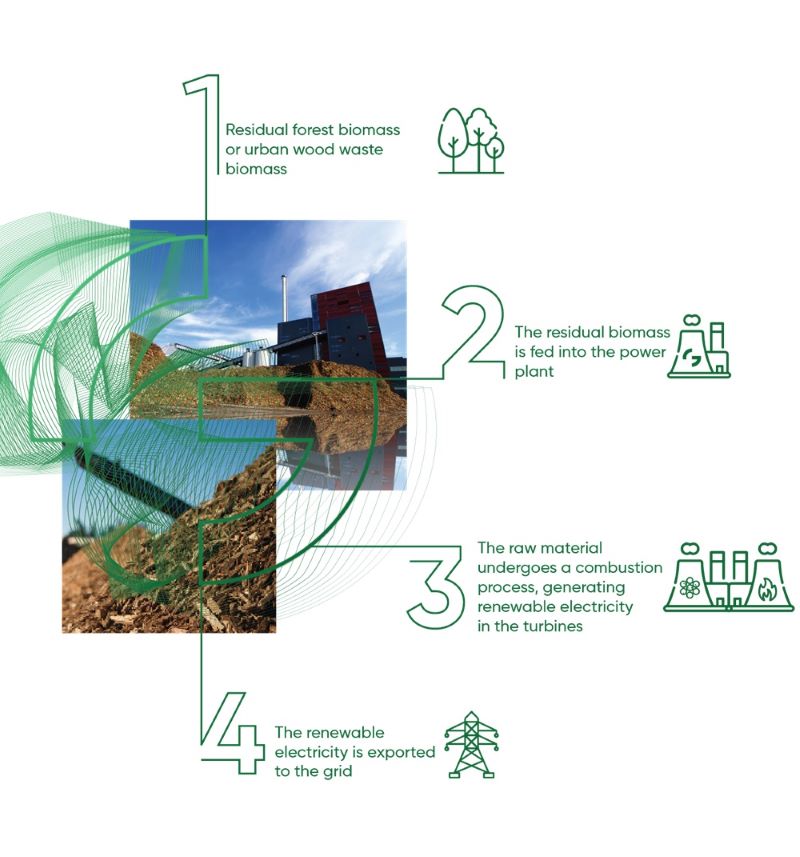
The Biomass Transformation Process at Greenvolt
Is Biomass a Renewable Energy Source?
Determining the true carbon neutrality of biomass is contingent on various factors, including the type of biomass employed, the technology utilized, and the organic materials management techniques implemented in the regions where biomass harvesting occurs.
The emissions associated with the use of biomass are part of a natural cycle in which forest growth absorbs the carbon emitted by the use of biomass for energy production. The concept of carbon neutrality of biomass (i.e. that CO2 emissions from the combustion process are considered to be zero) underpins its classification as a renewable energy source within various regulatory frameworks, including the European Renewable Energy Directive (RED II) which came into force in July 2021.
According to this Directive, electricity generated from forest biomass can contribute to renewable energy targets, given compliance with specific sustainability criteria. The objective is to ensure best practices in managing the biomass supply chain, including measures to ensure forest regeneration at the harvesting site, preserve soil quality, and protect biodiversity. By doing so, the goal is to minimize the risk of unsustainable use of forest biomass, aligning with the principles of responsible and eco-friendly energy production.
A Key Driver for EU’s Sustainable Energy Goals
Energy from biomass plays a critical role in achieving the EU’s ambitious environmental targets, serving as a reliable and mature source that contributes to both energy security and reduced dependency on external nations. As the EU strives for greater energy independence, the sustainable utilization of biomass not only ensures a diversified energy mix but also fosters a resilient and self-sufficient energy landscape. Additionally, the carbon neutrality inherent in biomass energy aligns with the EU’s commitment to decarbonization and mitigating climate change, further solidifying its position as a cornerstone in the transition to a sustainable and secure energy future for Europe.
Residual Forest Biomass | Mortágua Power Plant
Types of Biomass Fuels
Types of biomass fuels encompass a range of organic materials, including woody fuels (forestry residues, mill residues), agricultural residues, urban wast wood and yard wastes, dedicated biomass crops, and chemical recovery fuels. Animal wastes, particularly from the dairy industry, are also significant biomass sources.
Emphasizing the importance of selecting the right biomass and valorizing it effectively is crucial for sustainable energy production from this source.
⇒ This is precisely why the Greenvolt Group exclusively employs residual biomass in its power plants. In Portugal, the focus is on utilizing residual forest biomass, while in the UK, urban wood waste is the chosen resource.
Forestry Residues
We exclusively use residual forest biomass in our facilities and never cut down trees to use as fuel in our power plants. We focus on using only residues precisely to promote the cleaning of forests, contributing to the battle against rural fires. Moreover, the energy recovery serves as an additional source of income for rural communities.
Urban Waste Wood
Utilizing wood waste, particularly from construction and demolition sites, helps divert these residues from landfills, providing a sustainable resource for energy production.
Energy from Biomass and Circular Economy
At the core of the circular economy concept is the idea of minimizing waste and maximizing the use of resources throughout their life cycles. Biomass fits seamlessly into this framework as it represents a continuous cycle of growth, utilization, and regeneration. When responsibly sourced and managed, biomass contributes to the circular economy by embodying principles such as:
Waste Reduction
Biomass utilization, especially from residual sources like forestry residues, or urban wood waste, helps reduce the burden on landfills. By repurposing these materials for energy production, not only minimize waste but also extract value from resources that would otherwise be discarded.
Resource Regeneration
Forest biomass, for example, can be harvested sustainably, ensuring the regeneration of forests and maintaining the health of ecosystems. This aligns with circular economy principles by allowing the resource to renew itself, contributing to a continuous and self-sustaining cycle.
Community Engagement
Engaging local communities in responsible biomass management creates a circular economic model at the community level. By involving communities in biomass harvesting and processing, there is an opportunity for economic development and a more inclusive approach to resource utilization.
A Strategic Segment for Greenvolt
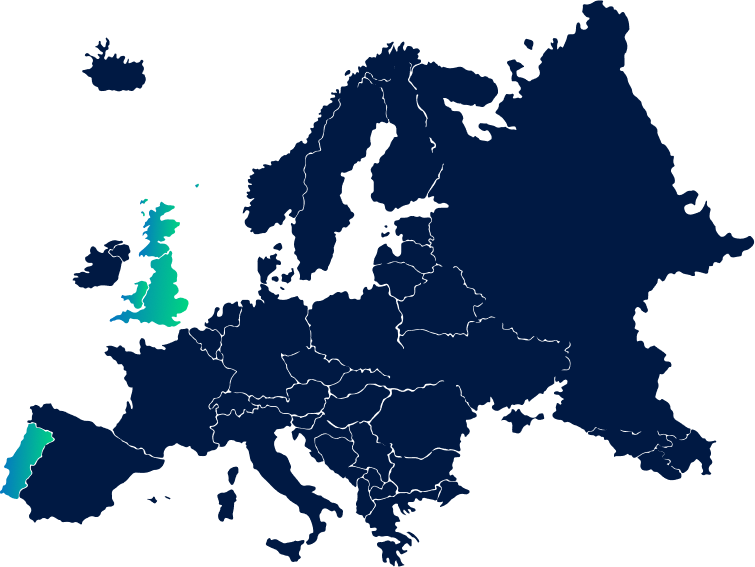
In the Sustainable Biomass segment, the Greenvolt Group has a 20-year track record, standing as one of the leading companies in Europe, always focused on the safety and innovation of its plants.
Portugal
The 5 biomass power plants owned (Mortágua, Ródão Power, Constância, Figueira da Foz I and II) only use 100% forestry residues.
United Kingdom
The Tilbury Green Power (TGP) plant is exclusively sourced by urban waste wood derived from activities such as demolitions and refurbishments, contributing to its recycling and use.
Learn more about Greenvolt’s Global Presence