Distributed Generation of Energy: What Is It and What Are the Benefits?
Distributed Generation is an expression increasingly popular in the energy world. Do you really know what it means, its applications, and benefits? We’ll explain!
What is Distributed Generation?
Distributed Generation (DG) refers to a decentralized approach to electricity generation, where power is produced at or near the location where it will be used. In contrast to traditional centralized power production, which relies on large power plants to supply electricity across extensive areas, DG involves smaller-scale power generation units that are interconnected within local energy distribution systems.
This concept is driven by the idea of enhancing energy efficiency, primarily through the utilization of renewable energy using a variety of technologies and sources such as solar, wind, and combined heat and power systems, potentially with energy storage solutions. These technologies empower homes, businesses, and even communities to generate their electricity, thereby shifting the paradigm not only in terms of its production but also its consumption and sharing.
What is The Most Used Distributed Generation System?
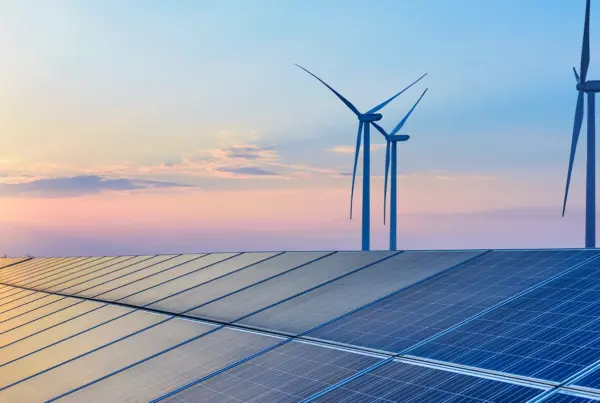
Solar photovoltaic (PV) systems have become the most widely used in recent years. These systems involve installing photovoltaic solar panels on rooftops, facades, or carports, for example. In many cases, they are connected to the conventional electrical grid, enabling energy exchange between the generation site and the grid.
The popularity of solar PV systems is attributed to their scalability and adaptability. They can be customized for various energy needs, making them suitable for residential, commercial, and industrial use. Additionally, ongoing advancements in solar PV technology, coupled with decreasing costs and supportive policies, have solidified its position as the primary choice for Distributed Generation.
The Benefits of Distributed Generation
Producing energy on-site or in close proximity to its consumption offers numerous advantages, both from an environmental and economic standpoint, making it an increasingly compelling solution.
Reduced Environmental Impact
- Stimulating the use of renewable energies leads to a reduced environmental footprint.
- It occupies already built spaces, significantly reducing the impact on ecosystems.
Reduces Electricity Expenses
- Reduction of costs related to transmission and distribution investments.
- Renewable energy prices are lower and more stable compared to fossil fuels
Reduced Transmission and Distribution Losses
- In centralized electricity generation and transmission, losses during long-distance transport are common. DG reduces these losses by generating power closer to the point of consumption.
Improved Grid Stability and Security
- Enhanced electrical system efficiency, preventing losses from overload.
- Provide backup power during grid outages
Storing Energy
The intermittent nature of renewable energy generated through distributed systems often creates mismatches between production and consumption. This leads to excess energy that might not be efficiently used, diminishing overall energy efficiency. Batteries play a vital role in improving this efficiency by allowing strategic energy storage, cutting costs, enhancing grid autonomy, and supporting sustainability.
Tactics like arbitrage and reducing demand during peak periods additionally boost economic viability, rendering decentralized renewable projects more feasible. As the world increasingly emphasizes decentralized generation, the integration of batteries is projected to substantially increase in the coming years, propelling the energy transition.

Greenvolt’s Approach to Distributed Generation
DG is a strategic segment of Greenvolt’s business. The company offers these solutions in six countries – Portugal, Spain, Poland, Greece, Italy and Germany – enabling nations, businesses, and individuals to produce their own cost-effective and environmentally friendly electricity, thereby advancing decarbonization and fostering energy independence.
Discover more about our Energy Self-Consumption and Energy Communities solutions through our companies.