Battery Energy Storage Systems: The Future of Energy
With the growing demand for renewable energy sources and the need to stabilize the electrical grid, Battery Energy Storage Systems (BESS) emerge as a crucial solution for a more sustainable energy future.
What are Battery Energy Storage Systems?
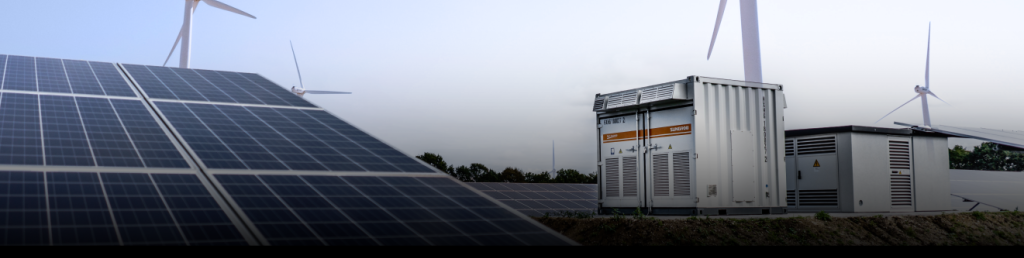
Battery Energy Storage Systems (BESS) are devices that store energy in batteries for later use. They are designed to balance supply and demand, provide backup power, and enhance the efficiency and reliability of the electricity grid. BESS can be used in a variety of settings, from residential to industrial, and are essential for integrating renewable energy sources like solar and wind into the grid. These systems can be classified into two main types based on their connection to the grid:
In-front-of-the-meter Batteries
These batteries connect to a generator or transmission or distribution lines. They are utility-scale batteries important for load relief and ancillary services. By providing energy during peak demand times and supporting grid operations, they help stabilize the electricity supply and improve overall grid performance.
Behind-the-meter Batteries
These batteries connect to industrial, commercial, or residential meters. They can be a cost-effective option for managing electricity bills and practicing “peak shaving”. By storing energy when it is cheaper or more abundant and using it during peak demand periods, behind-the-meter batteries help reduce energy costs.
How Battery Energy Storage Systems Work
BESS operate by charging batteries when there is excess electricity and discharging them when there is a demand for electricity. The system comprises several components:
- Battery Modules, Control Components, Inverters, and Sensors: BESS use these materials to differentiate the system as a power system rather than simply a battery. The battery modules store energy, while control components, inverters, and sensors ensure the system operates efficiently and safely.
- Energy Collection and Ejection: The battery collects energy from a power plant or the grid and releases this stored energy at a future time to provide electricity. Many of these systems use algorithms to predict future energy use and determine the amount of energy to store. This process is managed by automated control systems and built-in inverters.
- Safety Monitoring: Sensors in the system monitor potential dangers, such as rising temperatures, to ensure the system’s safety. The control components allow the system to require minimal involvement from operators.
- Standalone Battery Systems: A standalone battery can be connected to the electric grid or a battery bank to store power directly, rather than at the energy production source. This provides flexibility in how and where energy is stored and used.
- Battery Types and Materials: The exact type of battery used in a BESS will dictate the materials, scale, use, and mechanics of the system. Common types include lithium-ion, lead-acid, and flow batteries, each with unique characteristics and applications.
Types of Battery Technologies
BESS utilize various types of battery technologies, each with its unique characteristics and applications. Here are some of the most prevalent types:
Lithium-ion Batteries
Lithium-ion batteries consist of a single contained battery where conductors and electrolytes mix to discharge and charge the battery. This system has a relatively brief lifespan and cannot wholly release its stored energy before needing replenishment. Lithium-ion batteries can sustain an energy supply for about two hours and have a rapid recharge process. Typically, these batteries last up to eight years as the materials degrade and should be cycled daily.
Despite a decline in development focus due to the emphasis on electric vehicles (EVs), lithium-ion technology holds a significant share of the battery storage industry. It is the most mature and widely used battery storage system, applicable to the power grid.
Lead-acid Batteries
Lead-acid batteries use chemical reactions of sulfuric acid, water, and lead to store energy. They consist of a lead and antimony metal plate with a negative charge (anode), a water and sulfuric acid mixture (electrolyte), and a lead dioxide positively charged plate (cathode). When placed in the mixture, these plates begin to produce electricity.
They are ideal for solar power energy storage due to their gradual approach to power deployment and ability to be connected in series to create a battery bank with higher energy density. Wiring multiple boxes together can increase the battery voltage to support expected solar storage.
Flow Batteries
Flow batteries are composed of two tanks sharing a membrane and electrochemical cells. Fluids, commonly iron or vanadium, pass between these tanks, generating electricity in the cells. The energy production capacity is directly proportional to the tank size. These batteries can supply energy for up to 10 hours, making them promising options for microgrids, utility uses, and electric vehicles.
Although flow batteries are more expensive than lithium-ion batteries due to the larger area required for their system pumps and longer charging periods, they have several advantages. Flow batteries can be cycled daily for up to 30 years, have nearly infinite cycle life due to the lack of phase-to-phase chemical reactions, and are environmentally friendly. They are also considered safe because they lack flammable materials, although they do require more land for their setup.
Benefits of Battery Energy Storage Systems (BESS)
BESS offer numerous advantages, enhancing grid stability, enabling renewable energy integration, and providing cost savings and emergency backup power, making them essential for modern energy management.
Grid Stability
BESS help balance supply and demand, reducing the risk of blackouts and ensuring a steady power supply.
Renewable Energy Integration
By storing energy from intermittent renewable sources, BESS enable a more consistent and reliable energy supply.
Cost Savings
BESS can reduce energy costs by storing electricity when prices are low and discharging when prices are high.
Emergency Backup
Provides critical backup power during outages, enhancing energy security.
Batteries for Utility-Scale or Distributed Generation Projects?
Fortunately for both.
Choosing the right BESS is crucial for both utility-scale and distributed generation projects. At Greenvolt Group, we are at the forefront of developing innovative energy storage solutions to meet diverse needs and support the clean energy transition.
Utility-Scale Projects
Greenvolt Group is actively advancing utility-scale energy storage projects, which are essential for modernizing power grids and enhancing energy security. Our efforts focus on creating robust alternatives to traditional centralized power solutions.
Large-Scale Storage Capacities
Our projects include storage capacities under development that exceed 1.4GW, positioning us as a leading player in the energy storage sector.
Modernizing Power Grids
Our solutions provide a flexible and dependable flow of clean energy, helping to address energy shortages and support grid resilience.
Hybridization of Clean Technologies
Our approach involves combining complementary clean generation technologies to create a consistent and reliable power supply. This hybridization supports efficient energy generation and delivery, contributing to overall system stability.
Economic and Environmental Impact
Our energy storage solutions offer substantial economic and environmental benefits. By storing surplus energy during off-peak times and optimizing its use, we contribute to reducing energy costs and promoting sustainable energy practices.
Distributed Generation Projects
For distributed generation, Greenvolt’s solar storage solution is designed to maximize self-consumption and provide reliable power close to where it is needed:
Enhanced Self-Consumption
Our systems are designed to maximize the use of energy produced by photovoltaic systems. By charging batteries with solar energy during the day, you can utilize this stored energy at night or during peak consumption times, ensuring you always have access to power when you need it most.
Cost-Effective Energy Management
Store energy from the grid when prices are low and use it during high-price periods. This smart management helps to optimize energy costs and makes your energy consumption more efficient.
Hybridization of Clean Technologies
Our approach involves combining complementary clean generation technologies to create a consistent and reliable power supply. This hybridization supports efficient energy generation and delivery, contributing to overall system stability.
Smart Monitoring and Control:
Manage and monitor your energy storage system easily through our user-friendly app. Whether you prefer automatic, planned, or manual control, our app provides you with the flexibility to manage your system efficiently and intelligently.
BESS and the Future of the Clean Energy Transition
These systems are poised to be a pivotal force in the clean energy transition. They require less land, maintenance, and investment than other energy technologies, making ambitious clean energy targets more attainable. Their ability to store and provide energy during power outages, and on days with low solar or wind activity, enhances reliability and reduces barriers to achieving net-zero goals.
Utility-scale batteries, with storage capacities ranging from several megawatts to hundreds of hours, play a crucial role in supporting renewable energy systems by optimizing energy resources. They achieve this by absorbing, storing, and discharging electrical energy from renewable sources.
Similarly, BESS enhance Distributed Generation by allowing localized energy production to be stored and used as needed. This capability supports energy independence and resilience at the community level, ensuring a steady power supply and maximizing the efficiency of distributed renewable resources.
A good example of BESS application is solar energy, which fluctuates due to varying light conditions throughout the day and across seasons. BESS greatly benefit solar energy by storing excess power generated during peak sunlight hours. This stored energy can then be used during high-demand periods, such as evenings, thus improving energy efficiency and reducing waste. This capability positions BESS as a crucial enabler in achieving a more sustainable and resilient energy future.