Photovoltaic Systems: turning sunlight into sustainable energy
As the world increasingly shifts towards sustainable energy solutions, photovoltaic (PV) systems have emerged as a leading technology in harnessing the power of the sun.
What is a Photovoltaic System?
A photovoltaic (PV) system is an electrical setup designed to harness energy from the sun and convert it into electricity. This system typically includes solar panels, an inverter, and other electrical components that work together to generate and deliver electricity to either the power grid or directly to end users.
PV systems are incredibly versatile and can be found in various sizes, ranging from distributed generation installations on residential homes or businesses to utility-scale solar farms.
There are three main types of photovoltaic systems:
Grid-Connected (On-Grid)
These systems are directly connected to the electrical grid. The electricity generated by the solar panels flows into the grid and can be utilized in conjunction with the grid to satisfy the energy demands of the end user.
Stand-Alone (Off-Grid)
These systems incorporate battery storage to reserve excess energy generated during daylight hours for use at night or when solar irradiation is low or absent. This arrangement ensures a consistent supply of electricity.
Hybrid Systems
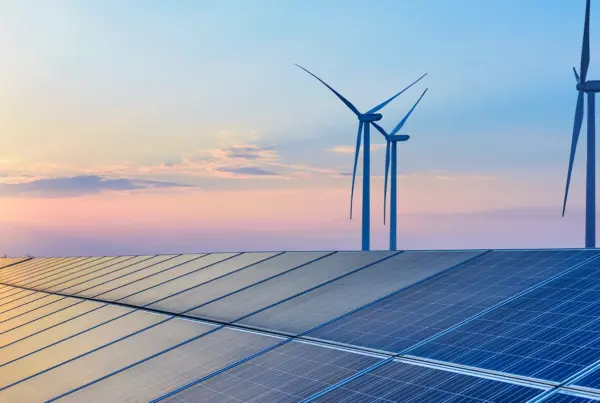
These PV systems integrate additional energy sources like wind turbines or biomass power plants, offering a combination of grid connection and alternative power generation for enhanced reliability.
How does a Photovoltaic System work
A photovoltaic (PV) system works by converting sunlight into electricity through a process called the photovoltaic effect. This process begins when sunlight, composed of energy particles known as photons, strikes the surface of a solar panel. These panels contain photovoltaic cells, usually made from semiconductor materials like silicon, which are specifically designed to absorb sunlight.
When photons hit the semiconductor, they transfer their energy to electrons within the material. This energy causes the electrons to break free from their atoms, creating an electric current as these free electrons move through the semiconductor. The current generated at this stage is in the form of direct current (DC) electricity.
Most homes and businesses, however, operate on alternating current (AC) electricity, which is different from the DC electricity produced by solar panels. To make the electricity usable, the DC current is passed through an inverter, which converts it into AC electricity.
When multiple panels are connected together to form a solar array, the system can generate a greater amount of electricity, providing a scalable solution for a variety of energy needs. Even on cloudy days, PV systems continue to produce electricity, albeit at reduced efficiency compared to sunny conditions.
What are the components of a Photovoltaic System?
A photovoltaic (PV) system consists of several key components that work together to convert sunlight into usable electricity. These components include:
Solar panels
Solar panels, also known as photovoltaic modules, are the primary components of a PV system. Each panel contains numerous solar cells made from semiconductor materials like silicon. These cells capture sunlight and convert it into electricity through the photovoltaic effect. Solar panels are typically protected by an anti-reflective coating to maximize energy absorption and are often constructed from crystalline silicon, a widely used and efficient material.
Inverters
An inverter is a crucial device in any PV system. It converts the direct current (DC) electricity generated by the solar panels into alternating current (AC) electricity, which is used by most household and industrial appliances. Inverters are also equipped with safety features like ground fault circuit interruption and anti-islanding, which protect the system and shut it down in the event of grid power loss.
Racking systems
Racking systems are the structures that secure solar panels to rooftops or the ground. Made from durable materials like steel or aluminum, these systems ensure that the panels are precisely positioned and can withstand extreme weather conditions. Racking systems can be fixed or adjustable, with some ground-mounted systems incorporating tracking mechanisms that follow the sun’s movement to increase energy output.
Wiring and electrical components
Wiring and other electrical components, such as combiners, disconnects, breakers, and meters, are essential for the safe and efficient operation of a PV system. Wires carry the electricity between components and must be properly sized and protected against environmental factors like UV exposure. Combiners merge multiple electrical cables, while disconnects and circuit breakers provide safety by allowing the system to be manually or automatically shut down in case of overloads.
Energy storage and monitoring systems
Modern PV systems often include additional features to enhance efficiency. Energy storage systems, typically in the form of batteries, store excess electricity generated during the day for use during periods of low or no production. For systems with battery storage, a charge controller is crucial for regulating the flow of electricity to and from the batteries. It operates in two main areas: in charging, it ensures the batteries receive sufficient charge while preventing overcharging. During discharge, it manages the electricity supply to ensure daily energy needs are met without excessively depleting the battery.
Applications of Photovoltaic Systems
Photovoltaic systems offer diverse applications that cater to various energy needs, showcasing their flexibility and scalability. They play a crucial role in transitioning to cleaner, more sustainable energy solutions. The three main applications are:
Utility-Scale Solar Farms
Utility-scale solar farms are among the largest applications of photovoltaic systems. These extensive solar arrays are designed to produce large quantities of electricity, which is then fed directly into the power grid. Utility-scale solar farms play a significant role in the energy mix, contributing to grid stability and delivering clean, renewable energy to thousands of homes and businesses.

Utility-Scale Project | Solar Farm

Distributed Generation Project | Industrial Facility
Commercial and Industrial
In commercial and industrial environments, PV systems are valuable for lowering operational costs and enhancing sustainability. Solar arrays installed on commercial or industrial buildings generate substantial amounts of electricity. This not only reduces reliance on grid power but also supports corporate sustainability goals by decreasing overall carbon footprints.
Residential
Photovoltaic systems are becoming increasingly popular in residential settings. They provide homeowners with a renewable energy source that can significantly reduce electricity bills. By installing solar panels on rooftops or in yards, households can generate electricity to power appliances and lighting.

Distributed Generation Project | Energy Community